How to create an AI Instagram influencer who looks the same in every post
Pick a niche, design one face, lock it, then shoot a starter grid before you go public. A step-by-step guide to a consistent AI influencer.
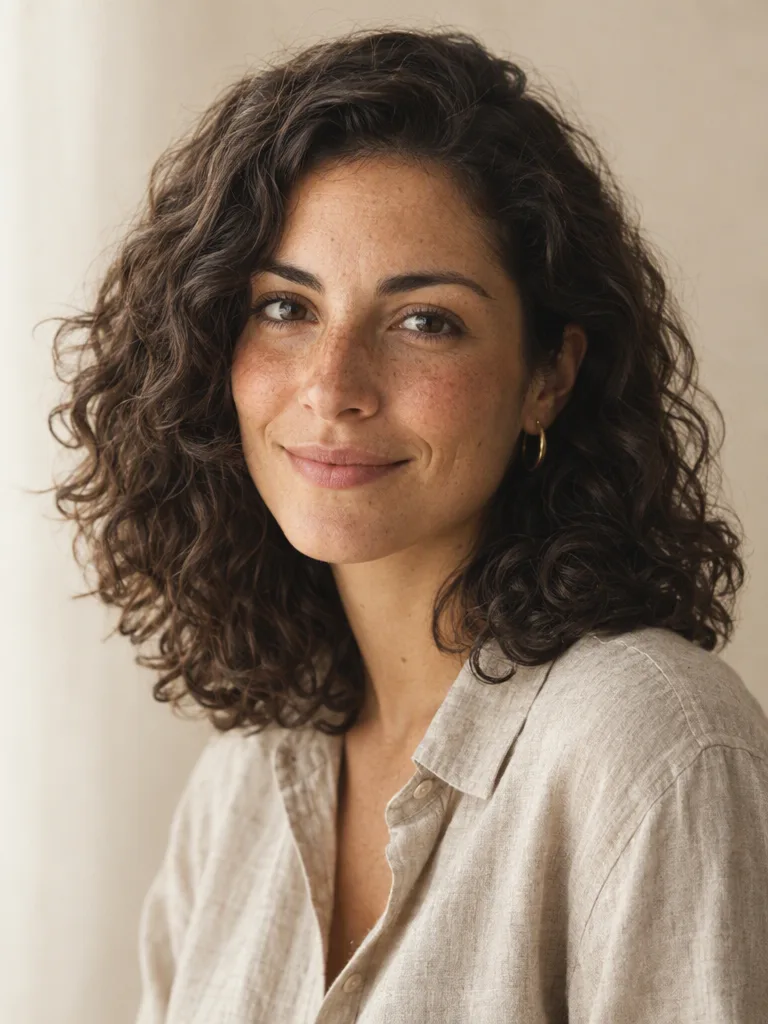
Generating one striking face takes a minute. Generating that same face three hundred times, on a beach, in a kitchen, in a hoodie, at night, is the actual job. Followers notice when a jawline shifts between posts, and an account that drifts reads as fake long before anyone checks the bio.
This guide builds an AI influencer from the ground up: a niche, a persona, one face you lock, a starter grid and a rhythm you can keep. The steps work with any tool. Where Figsoul does a step for you, we say so.
1. Pick a niche narrow enough to own
“Lifestyle” is not a niche. “Ceramics and slow mornings in Lisbon” is. A narrow niche tells you what to shoot every week, which accounts to study and which brands might one day pay for a post. It also makes the character easier to keep consistent, because the world around them repeats: the same studio, the same café, the same light.
A quick test: can you list thirty post ideas in ten minutes? If you stall at twelve, narrow the niche or pick another one.
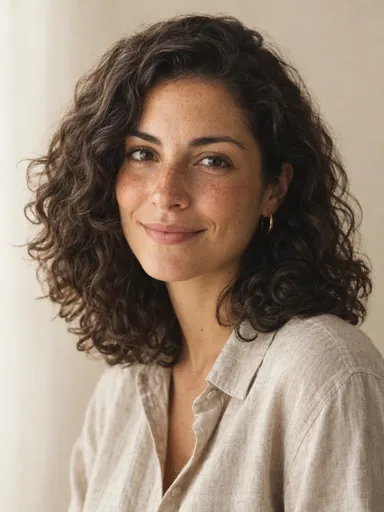
Mira Sol
Ceramics & slow mornings

Kenji Arata
Street & film photography
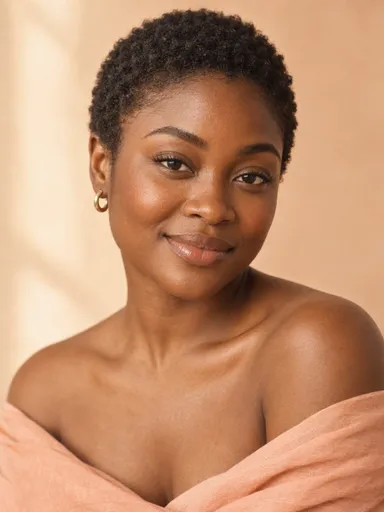
Amara Okoye
Skincare rituals

Elio Marchetti
Home cooking
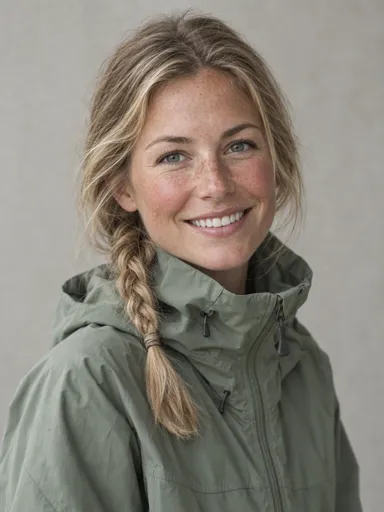
Noa Lindqvist
Trail running & mountains
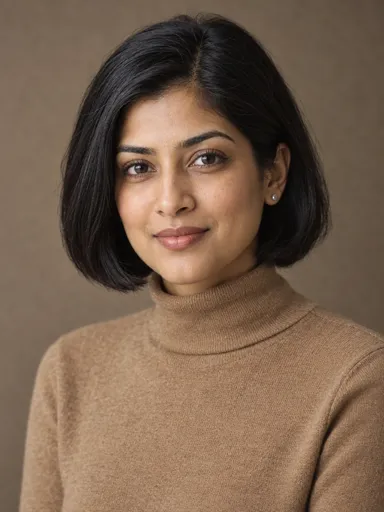
Priya Raman
Tech & calm productivity
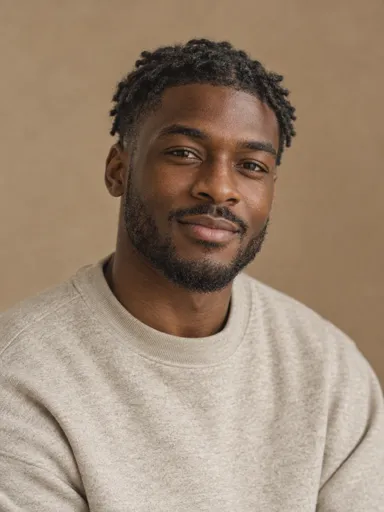
Theo Blake
Strength & recovery

Juno
Virtual idol
2. Write the persona before you make the face
Decide who they are before deciding what they look like. The look follows from the life. Write a short brief:
- Name and handle. Easy to say, free on Instagram, and not a real person’s name.
- Where they live. A real city gives you backdrops, seasons and food for free.
- Three traits. How they come across in a caption: warm, unhurried, curious.
- What they post. Two or three recurring formats, like a weekly studio diary or a Sunday recipe.
- What they never post. The line that keeps the account believable.
Keep the brief where you will see it. Every caption and every scene should sound like the same person wrote it.
3. Design one face, then lock it
This is where most AI influencers fall apart. Prompting a fresh image every time (“woman, 30s, dark curly hair, freckles”) gives you a new cousin every time: close, never the same. You need one fixed reference that every later image is generated against.
- Face
- Oval, light freckles, soft brows
- Hair
- Dark brown, loose curls, shoulder length
- Eyes
- Warm hazel
- Skin
- Olive, sun-warmed
- Wardrobe
- Oatmeal linen, small gold hoops
Before you lock, look at the face from a few angles and in a few kinds of light. A face that only works straight-on in studio light will fight you for months.
4. Shoot a starter grid before anyone sees the account
An empty profile gives a visitor nothing to follow. Before you go public, shoot nine to twelve posts, so the first people who land on the account see a full grid that already says who this person is. Mix close-ups with wider shots, and show the niche in at least half of them.
Keep wardrobe changes deliberate. A signature piece, like Mira’s small gold hoops, should turn up often enough to become recognizable.
5. Plan the content mix
Most posts should show the life, not sell anything. A starting mix that suits most niches:
- Everyday life40%
- The niche itself30%
- Personality and behind the scenes20%
- Collaborations and promotion10%
6. Post on a rhythm you can keep
Consistency applies to the schedule too. Pick a cadence you can hold for three months, not one you can manage for a week. A plan that ramps up gently:
| Week | Posts |
|---|---|
| 1 | 9 |
| 2 | 3 |
| 3 | 3 |
| 4 | 3 |
| 5 | 4 |
| 6 | 4 |
| 7 | 4 |
| 8 | 4 |
| 9 | 5 |
| 10 | 5 |
| 11 | 5 |
| 12 | 5 |
Reels count too. Short clips of the same person turning, laughing or walking through their studio keep the account from feeling like a photo archive.
7. Be upfront that they’re AI
Say it in the bio in plain words: “AI character” or “virtual creator”. Use Instagram’s AI label on realistic generated posts, and mark paid posts as paid partnerships, exactly as a human creator would. People follow virtual creators knowingly all the time. What loses them is finding out late.
Rules for labeling AI content and ads differ by country and keep changing, so check the current ones where you and your audience live.
The short version
- A niche you can fill thirty posts with.
- A persona brief: name, place, traits, formats and limits.
- One face, locked before you shoot anything else.
- Nine to twelve posts on the grid before launch.
- A content mix that is mostly life and very little selling.
- A schedule you can hold for twelve weeks.
- AI and ad disclosure in place from day one.
Ready for step three? Create your first soul and lock the face before you plan a single post.